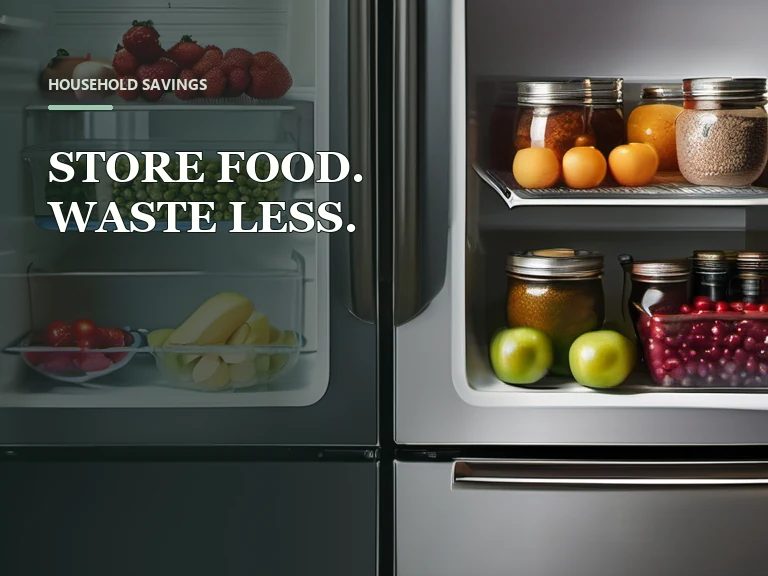
The Canadian Food Inspection Agency advises keeping a refrigerator at 4°C (40°F) or colder. Use an appliance thermometer because the dial setting does not tell you the actual temperature. Put perishable groceries away promptly after shopping, and keep raw meat and poultry contained so drips cannot reach ready-to-eat foods. Store foods according to package directions and official guidance rather than a single rule for every product. The coldest shelf location can vary by appliance, so consult the refrigerator manual. Avoid overpacking so air can circulate, and check the temperature after a power interruption or a large grocery load.
Use labels and dates as information, not a substitute for safety
Write the date opened or cooked on containers when it helps you use foods in time. Keep original use-by instructions and distinguish product date marks from your own storage note. A date alone cannot tell you whether food was continuously held at a safe temperature. If packaging is damaged, a product was left warm for too long, or its safety is uncertain, consult official food-safety advice rather than tasting it. Smell and appearance are not reliable ways to confirm that food is safe. The goal of a label system is to improve rotation and reduce forgotten containers, not to override safe handling.
Plan leftovers around verified time limits
CFIA advises refrigerating leftovers within two hours and using refrigerated chicken leftovers within three to four days; U.S. Department of Agriculture food-safety guidance also commonly uses a three-to-four-day refrigerator period for cooked leftovers, with refrigeration at 40°F or below. Use shallow containers so food cools promptly, and label the preparation date. Freeze portions you will not use within the recommended time, following official freezing and thawing guidance. Reheat leftovers according to government recommendations and use a food thermometer where applicable. These time frames apply to properly handled foods under stated conditions; they are not a rescue plan for food left out too long.
Shop and cook to match your week
A simple meal plan can reduce overbuying without requiring perfect prediction. Check your fridge, freezer, and pantry before shopping; plan meals that use the most perishable items first. Buy a smaller quantity when a fresh item is unlikely to be used and freezing is not suitable. Keep a visible “use next” area for foods that need attention, but continue to follow safe storage practices. Cook a flexible base such as grains or beans only if there are clear plans to use or freeze portions promptly. A list that tracks what is already at home can prevent duplicate purchases.
Choose safe containers and thawing methods
Use clean food-grade containers that close securely, and separate raw foods from ready-to-eat items. For freezing, leave appropriate space for expansion and label contents so they do not become unidentified packages. Thaw foods using a method recommended by the relevant food-safety agency, not on a counter. Keep the refrigerator door closed during outages and consult official guidance to decide what to keep or discard after a temperature loss; do not rely on the freezer’s appearance. When in doubt, prioritize safety over avoiding waste. A small loss of food is preferable to using a product whose handling history is uncertain.
Apply the guide to your situation
Make the comparison usable by writing down assumptions beside every number. Include date, currency, billing or ownership period, source, taxes, recurring charges, and what you excluded. Mark unknown figures visibly and ask for a quote rather than turning an unknown into zero. For household planning, a short monthly review can catch a renewal, a food item nearing its safe use window, or an appliance expense that no longer matches the original plan. Store private account information securely and share only the decision summary. A careful comparison is more valuable than an impressive but unverifiable savings claim.
Common questions
How cold should my refrigerator be?
CFIA advises 4°C or colder; USDA guidance uses 40°F or below. Use a refrigerator thermometer and consult the applicable agency for the food and situation.
Can I eat leftovers after four days if they smell fine?
Do not use smell as a safety test. Follow the official time and temperature guidance for the particular food and how it was handled. Freeze portions earlier if you will not use them in time.
Does freezing make food safe after it sat out too long?
Freezing does not undo unsafe handling. Follow time and temperature guidance before freezing and check official advice when food has been left out or exposed to a temperature interruption.
Practical next step
Use this guide as a starting point: check the exact label, model, contract, food-safety condition, or official program page for your circumstances, then save the source and date used. If a critical detail remains unclear, contact the responsible manufacturer, retailer, utility, or government agency before making a decision. Recheck time-sensitive information before acting because products, policies, and availability may change.
Sources and further reading
Sources checked November 19, 2026. These links support the topic and are not endorsements.