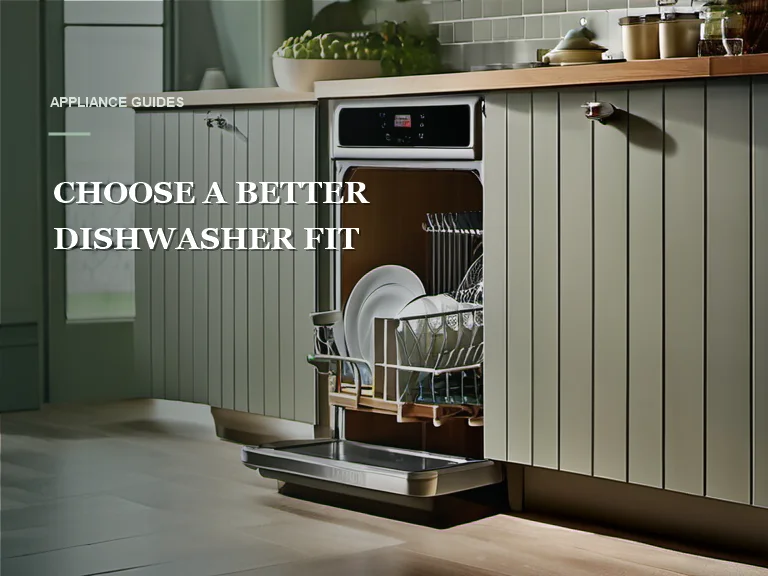
Start a dishwasher comparison with the opening, plumbing, electrical connection, and cabinet dimensions. Measure the width, height, depth, toe-kick, and door swing, then check delivery access. A machine that looks right online still has to fit the opening and connect to the home safely.
Test the interior layout
Look at rack adjustability, utensil placement, and the shape of the tines. Consider the dishes, pots, and glasses your household uses most, not just the number of place settings in a brochure. A third rack or adjustable shelf may help some kitchens and be unnecessary in others.
Compare cycles and controls
Read the manual or manufacturer specifications to understand normal, heavy, quick, and special cycles. Compare how the machine handles the kinds of cookware and soil levels you commonly have. Check whether the control panel is easy to use and whether the drying method fits your expectations. Avoid assuming that a short cycle is the best option for every load.
Read the energy label
Canada requires an EnerGuide label for dishwashers. The label can help you compare annual energy consumption with similar models. Compare capacity class and intended use, then consider the operating cost alongside the purchase and installation price. ENERGY STAR is another certification to look for where available.
Check practical ownership details
Confirm water and electrical requirements, warranty, service availability, filter cleaning, and manufacturer maintenance instructions. If the dishwasher will sit beside a living or sleeping area, look for a stated noise rating and compare models using the same unit. Keep the model number and manual for future parts or troubleshooting.
Official references: NRCan: EnerGuide labels and NRCan: Dishwasher efficiency requirements.